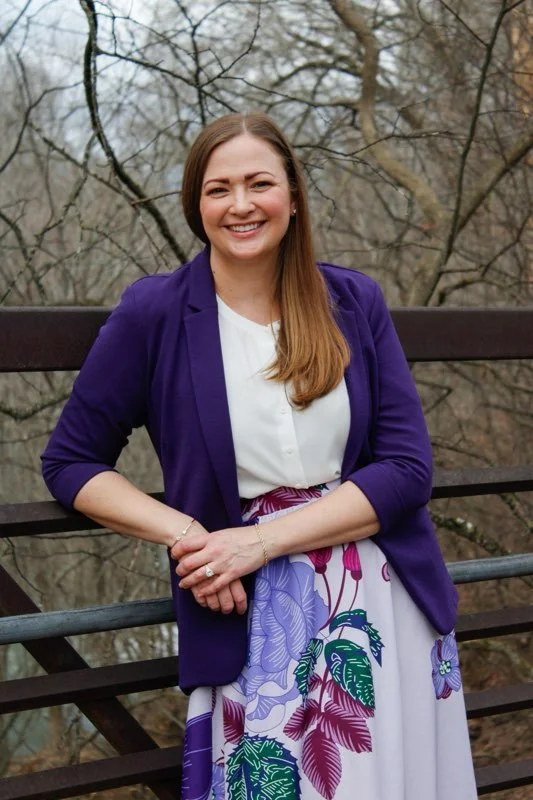
know before you voteRuth Walker, School Board District 3
Ruth Walker
Democrat
Associate Professor of Psychology


What are your top 3 priorities for the school board?
“1. Making evidence-based decisions that put students first. Too often, decisions affecting our schools become driven by politics, assumptions, or the loudest voices in the room. As a researcher and educator, I believe decisions should be informed by data, planning, and the expertise of the people working with students every day.
2. Recruiting and retaining excellent teachers and support staff. Students benefit when they have experienced, well-supported educators. I will continue advocating for competitive compensation, strong working conditions, and the classroom supports teachers need to be successful.
3. Strengthening communication and community engagement. I will establish a District 3 Advisory Council with parent and teacher representatives from each school in my district and provide regular updates so community members feel informed, heard, and represented.”
What is your plan for addressing aging school facilities and providing every student with a safe, modern learning environment?
“We can't expect students and teachers to do their best work in buildings that are unsafe, unhealthy, or poorly maintained. Throughout this campaign, I have heard concerns from educators, administrators, and parents about issues ranging from deferred maintenance to potential environmental hazards.
My priority would be creating a transparent facilities plan that identifies needs across the district, prioritizes health and safety concerns, establishes clear timelines, and regularly reports progress to the public. Decisions should be guided by data and facility conditions rather than politics. Just as importantly, the reasoning behind those decisions should be clearly communicated so community members understand how priorities are being set and resources allocated.
I will also continue advocating for adequate funding because safe learning environments should not be a luxury. They are part of the foundation students and educators need to succeed.”
How can the school board guarantee our schools are continuously adapting to the evolving needs of our students?
“No school board can guarantee that every decision will be perfect, but we can create a culture of continuous improvement. My expertise is in developmental psychology, research methods, statistics, program evaluation, and career development. One of the most important things I have learned as an educator and researcher is that we cannot improve what we do not evaluate. Good intentions matter, but so does understanding whether a program, policy, or practice is actually achieving the outcomes we hoped for. To understand how schools can better meet the needs of students, we first have to know what is working, what is not, and where opportunities for improvement exist.
That means listening to students, parents, teachers, and support staff; reviewing data on student outcomes; and staying informed about new research and best practices. It also means recognizing that the needs of students today may look different than they did ten—or even five—years ago. Good schools evolve, and good leaders are willing to learn alongside their communities.”
What is your most unpopular opinion?
“One of the things that has surprised me most while campaigning is how often I am asked which students deserve support in our schools. My answer is always the same: all of them. Our public schools exist to educate every child who walks through those doors. That includes students with disabilities, students learning English, students facing challenges at home, students from different faith traditions, and LGBTQ+ students.
As a developmental psychologist, I have spent my career studying how people grow, learn, and thrive. Every child deserves to be treated with dignity, protected from bullying and harassment, and given the opportunity to focus on learning. I know that position is unpopular with some people, but as a member of the school board my job will be to make sure that public education is for every student.”